 The Civic Health Initiative has awarded four grants of $2,000 each to University of Washington graduate and postdoctoral researchers working to generate new knowledge that strengthens civic health, democracy and the structures that support it.
These awards are intended to help cover research expenses associated with dissertations, thesis fieldwork or independent projects conducted under the supervision of a faculty advisor, mentor or principal investigator. The period of performance for these projects is one year.
The four awardees and their projects are:
- Ryan DeCarsky of the College of Arts & Sciences for a project investigating how queer communities and clinicians in the San Francisco Bay Area collaboratively reshape sexual health care in the era of PrEP, DoxyPEP and U=U, demonstrating how queer practical knowledge can inform more equitable, responsive and democratically engaged health systems.
- Mark Nepf of the Evans School of Public Policy & Governance for a project examining how environmental justice can be advanced through collaborative environmental management by analyzing how organizational differences among the 28 National Estuary Programs shape equitable community engagement in watershed governance.
- Julia Simoes of the College of Arts & Sciences for a project examining how dialogic pedagogy can strengthen collaborative practice and civic health in diverse Colorado communities by developing, implementing and evaluating a dialogic capacity‑building series for community mobilizers engaged in upstream violence‑prevention and systems‑change work.
- Arielle Weaver of the Evans School of Public Policy & Governance for a project investigating how the racial identity of Black probation officers shapes their discretionary decision‑making within a highly racialized criminal legal system, illuminating how community supervision influences democratic inclusion, public trust and the civic health of marginalized communities.
More information about the Civic Health Initiative’s graduate student and postdoctoral scholar small research awards program can be found by visiting its program page.
 The Tri-City Herald recently published an opinion piece by Jodi Sandfort, one of the leaders of the University of Washington Civic Health Initiative, in which she shares how the rebuilding of civic trust can help overcome partisan polarization.
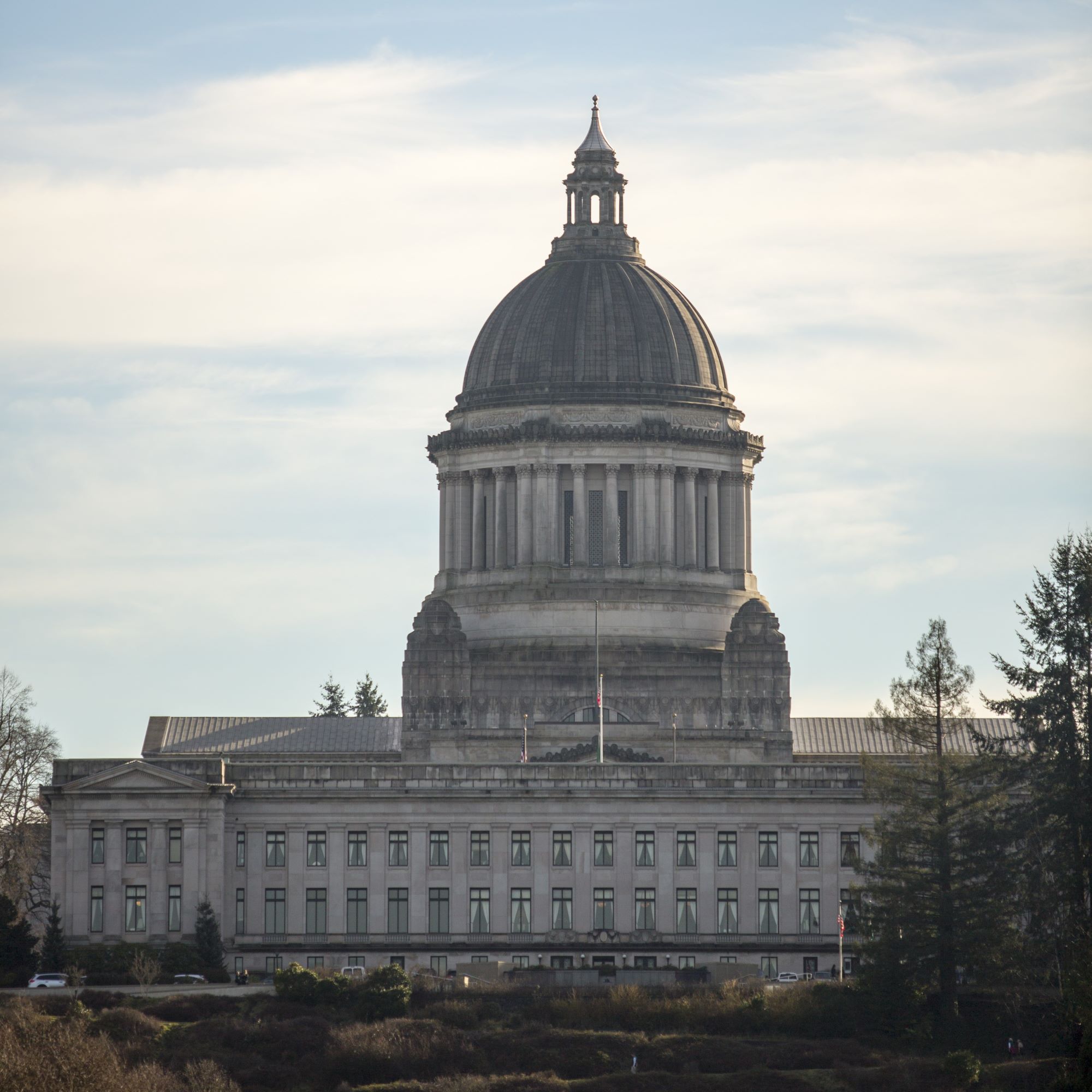 With government trust low and political division high, there is great opportunity to plant the seeds for civic health. Recognizing this issue, leaders from the University of Washington and Washington State University sought a solution. Inspired in part by Lt. Governor Denny Heck’s Project for Civic Health, which called for improved political collaboration, they launched a new initiative to foster bipartisan leadership in Washington.
 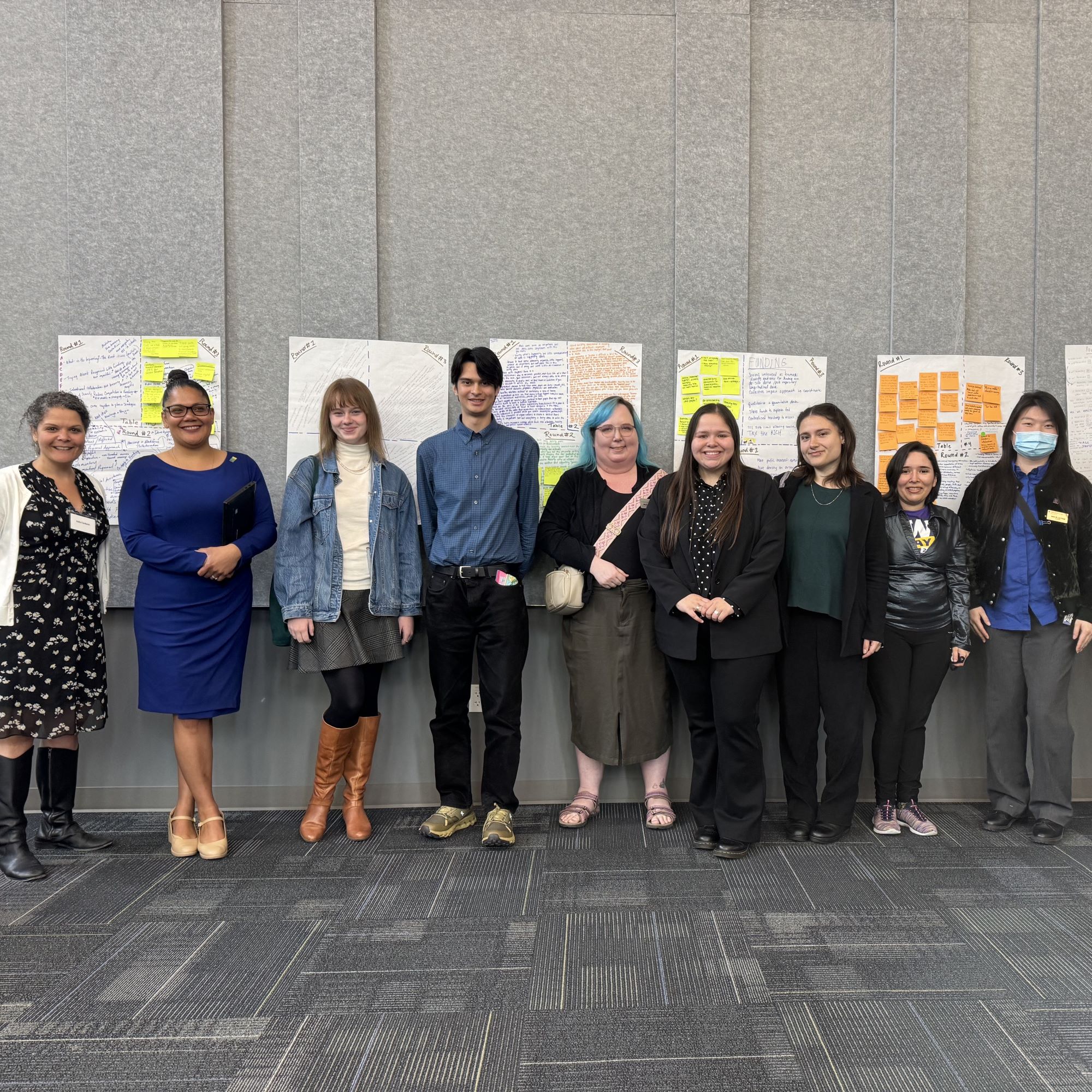 On May 3, 2025, seven students from the NextGen Civic Leader Corps — representing the University of Washington’s Bothell, Tacoma and Seattle campuses — played a key role in a community conversation focused on homelessness in downtown Tacoma. The event was convened by Tacoma City Council Member Sarah Rumbaugh in collaboration with the William D. Ruckelshaus Center, as part of its ongoing Pathways to Housing Security in Washington initiative.
 The University of Washington Civic Health Initiative announced the award of five grants worth $25,000 each to teams of University of Washington faculty members, plus community partners, from the Bothell and Seattle campuses.