 Misinformation does not just relate to bad facts – it is how people construe information through their various social and political lenses. Researchers at the University of Washington’s Center for an Informed Public are exploring how false election rumors emerge not from outright deception, but from how individuals comprehend ambiguous events.
The study reveals how political narratives, online influencers and collective sensemaking psychology shape misinformation. The authors warn of the growing online ecosystem that is specifically designed to amplify election-related misinformation, which may fuel real-world consequences, noting that misinformation goes far beyond fact-checking and requires a recognition of how perceptions can be distorted.
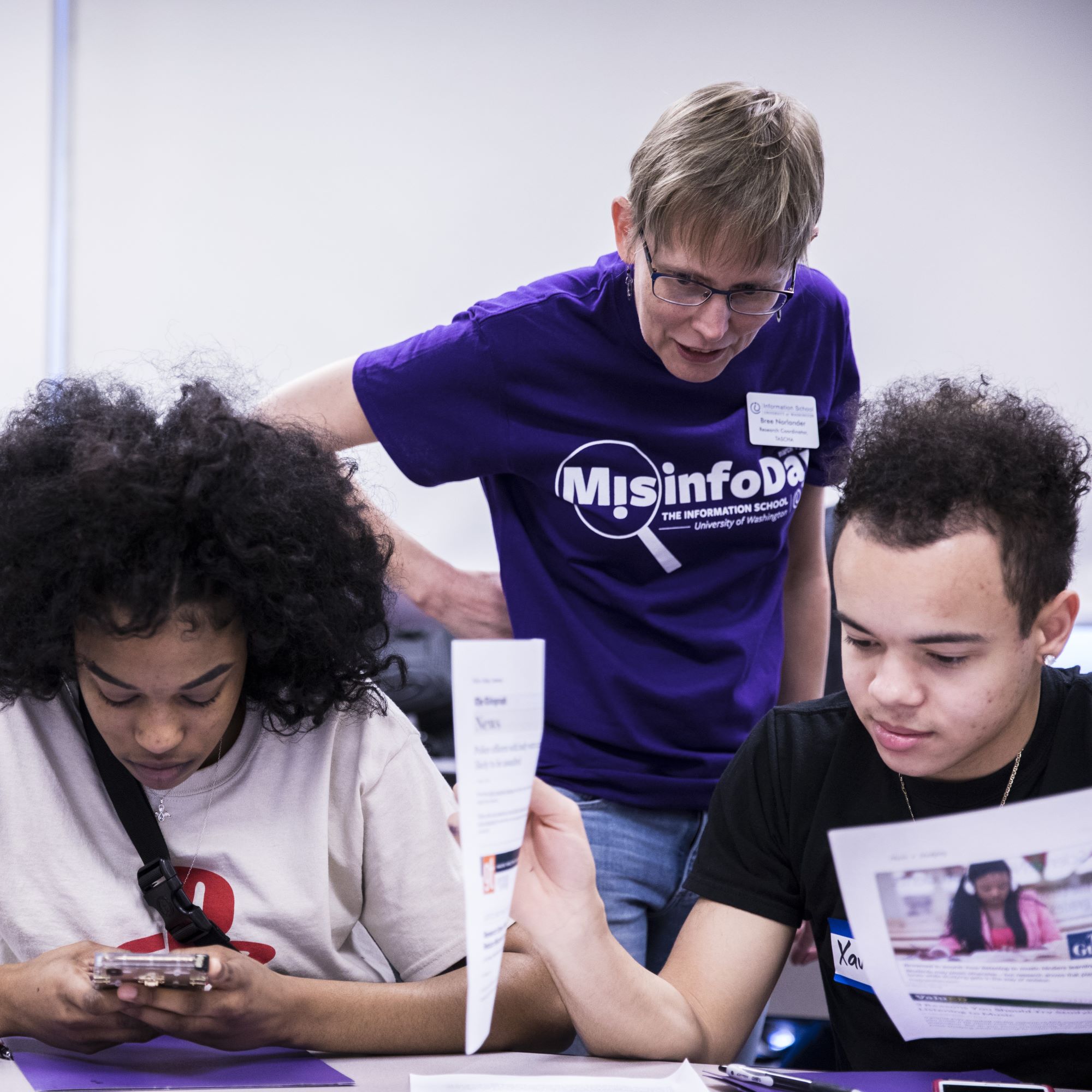 MisinfoDay @ MyCommunity, a program developed and launched by the University of Washington’s Center for an Informed Public (CIP), is being adopted around the nation.